Abstract
Introduction: The objective of this study was to contribute to the investigation of the epidemiological aspects, management, and prognosis of endometrial cancer at the Department of Obstetrics and Gynecology at Donka National teaching Hospital in Conakry. Methodology: This was a descriptive study involving the collection of retrospective data over a 15-year period from January 1, 2010, to December 31, 2024, focusing on cases of endometrial cancer. Results: The incidence of endometrial cancer was 2.4%. This cancer primarily affected patients aged 60 and older (58.9%), housewives (68.4%), married women (94.7%), and women with multiple pregnancies (49.5%). Metrorrhgia (100.0%) and abdominal-pelvic pain were the most frequently recorded reasons for consultation. Endometrial adenocarcinoma was the most common histological type (84.2%), and endometrial cancer was diagnosed as FIGO stage I in 34.7% of cases. Surgery was performed in 66.3% of patients, and 49.5% of them had received chemotherapy. Extrafascial hysterectomy with lymph node dissection and bilateral adnexectomy was the most commonly performed surgical procedure; extended colpohysterectomy with lymphadenectomy and bilateral adnexectomy was performed for more advanced cases. One-year survival was observed in 9 out of 10 patients, and five-year survival was recorded in nearly 4 out of 10 patients. Conclusion: Endometrial cancer is a common condition in our setting. Early diagnosis, prompt management, and improved access to chemotherapy and radiation therapy could improve patient prognosis.
Keywords
Endometrial Cancer, Epidemiology, Management, Prognosis, Donka
1. Introduction
Endometrial cancer is a malignant epithelial tumor that develops in the tissue lining the inside of the uterus. It is the sixth most common gynecological cancer and thus one of the most widespread worldwide. It most commonly occurs in postmenopausal women between the ages of 55 and 65, with 14% of cases occurring in the premenopausal period and 5% of cases before age 40
| [1] | Pélissier-Langbort C, Serfaty D. Congress Proceedings: 7th Congress of the European Society of Gynecology, October 10-13, 2007, Paris, France. 200; 4-141. |
| [2] | Chekman C, Gouaref F, Bouzid A, Akbal K, Bentabak K. Endometrial Cancer in El Karim. Algerian Medical Journal. 2020; 32(5): 20-23. |
[1, 2]
. Endometrial cancer ranks third among gynecological and breast cancers
| [3] | Diallo A, Balde O, Sylla A M, Conte I, Soumah A F M, Keita N et al. Endometrial Cancer: Epidemiological, Histological, and Therapeutic Aspects in the Gynecology-Obstetrics Department of the Donka National Hospital, University Hospital of Conakry. Open Journal of Obstetrics and Gynecology. 2023; 13(9): 9. https://doi.org/10.4236/ojog.2023.139126 |
[3]
. This cancer is not accessible to sreening; diagnosis is often delayed, and management remains challenging. It requires a multidisciplinary and specialized approach, particularly for high-risk patients and/or those with advanced cancer
| [4] | Deluche E, Carolin Marti, Floriane Jochum, Sofiane Bendifallah, Henri Azaïs, Jonas Deidier et al. Implementation in France of the 2021 European guidelines on endometrial cancer. Bull. Cancer (Paris). 2023; 110(1): 55-68.
https://doi.org/10.1016/j.bulcan.2022.11.003 |
| [5] | Doghri R, Yahyaoui Y, Gabsi A, Driss M, Boujelbene N, Charfi L et al. Endometrial carcinomas: a pathological and histoprognostic study of 62 cases in a center in northern Tunisia. In Annales de Pathologie, Elsevier. 2018; 38(2): 85-91.
https://doi.org/10.1016/j.annpat.2017.12.001 |
[4, 5]
. Surgery remains the gold standard of treatment. Despite therapeutic advances in the management of localized stages, the 5-year survival rate is estimated at 75% and has shown little improvement over the past 20 years
| [6] | Defossez G. National estimates of cancer incidence and mortality in metropolitan France between 1990 and 2018. Study based on the Francim Cancer Registry Network. 2019; 1(9): 372. |
[6]
. The incidence of endometrial cancer is highest in developed countries and is rising very rapidly in developing countries
| [7] | Alexandre J, Le Frère-Belda MA, Angelergues A, Ferron G, Treilleux I, Gaillard AL, et al. Pour le groupe GINECO. Recommandations pour la pratique clinique Nice/Saint-Paul-de-Vence 2022-2023: Prise en charge du cancer de l'endomètre métastatique et/ou en rechute. Bull Cancer. 2023; 110(6S): 6S34-6S43. https://doi.org/10.1016/s0007-4551(23)00332-6 |
[7]
.
Late diagnosis, difficulties in management, and the high rates of morbidity and mortality associated with this cancer motivated this study, whose overall objective was to contribute to the study of epidemiological aspects, management, and prognosis.
2. Methodology
2.1. Study Setting
The Department of Gynecology and Obstetrics at Donka National Hospital, part of the Conakry Teaching Hospital, served as the setting for this study. It is the referral center for the management of gynecological oncological pathologies in Guinea.
2.2. Type and Duration
This was a retrospective, descriptive study conducted over a period of 15 years, from January 1, 2010, to December 31, 2024.
2.3. Population Characteristics
2.3.1. Target Population
This consisted of all medical records of patients who were treated for gynecological cancer in the department during the study period.
2.3.2. Study Population
This consisted of all patient records of women treated for endometrial cancer in the department during the study period.
2.3.3. Inclusion Criteria
All complete medical records of patients treated for endometrial cancer in the department during the study period were included in this study.
2.3.4. Exclusion Criteria
This study did not include incomplete medical records or those lacking histological evidence from patients treated for endometrial cancer in the department during the period mentioned above.
2.4. Sampling
We conducted a comprehensive review of all patient records meeting the inclusion criteria defined above.
2.5. Variables
These were qualitative and quantitative categorized according to the following epidemiological, clinical, para clinical, therapeutic, and prognostic aspects.
2.6. Data Collection
Data were collected through a review of the medical records of patients with endometrial cancer.
2.7. Data Analysis
Data were analyzed using SPSS 26.0 software, which was used to calculate proportions for qualitative variables and the mean, the standard deviation, and ranges for quantitative variables. Overall survival was estimated using the Kaplan-Meier curve.
2.8. Ethical Considerations
After obtaining authorization to collect data from the head of the Ethics Committee of the Faculty of Health Sciences and Technology, the information was collected with due regards to anonymity and confidentiality.
2.9. Limitations
These were related to the retrospective nature of the study and the low rates of completion of radiotherapy and chemotherapy.
3. Results
3.1. Frequency
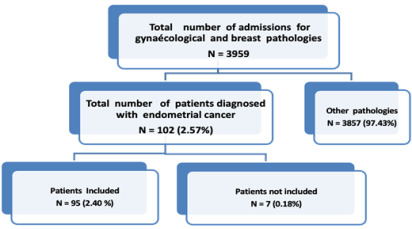
Figure 1. Flow chart of patient inclusion.
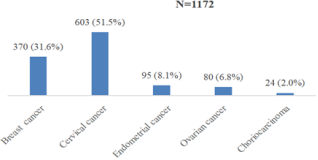
Figure 2. Incidence of endometrial cancer compared to other gynecological and breast cancers.
3.2. Epidemiological Characteristics
Table 1. Distribution of cases by sociodemographic characteristic.
Variables | Number | Percentage |
Age | | |
<40 | 7 | 7.4 |
40-49 | 8 | 8.4 |
50-59 | 24 | 25.3 |
≥60 | 56 | 58.9 |
Mean age: 63.00 ± 13.5 years | | Extremes: 15 and 102 years |
Level of education | | |
No schooling | 72 | 75.7 |
Elementary level | 9 | 9.5 |
Secondary level | 7 | 7.4 |
College level | 7 | 7.4 |
Occupation | | |
Secondary school / college students | 2 | 2.2 |
Homemakers | 65 | 68.4 |
Self-employed | 20 | 21.0 |
Employee/Salary earner | 8 | 8.4 |
Marital status | | |
Single | 2 | 2.1 |
Married | 90 | 94.7 |
Widowed | 3 | 3.2 |
Parity | | |
Nulliparous | 2 | 2.1 |
Primiparous women | 2 | 2.1 |
| 16 | 16.9 |
Multiparous women | 28 | 29.4 |
Risk factors for endometrial cancer
Late menopause (81.1%), arterial hypertension (21.1%), obesity (16.8%), diabetes (13.7%), and hormonal contraception (11.6%) were the most frequently observed risk factors.
3.3. Clinical Characteristics
Reasons for consultation
Metrorrhagia (100.0%), abdominal pain (46.3%), and menorrhagia (15.8%) were the most common reasons for consultation.
Time to consultation
The mean time to consultation was 46.03 ± 0.6 months, ranging from 12 to 180 months.
Table 2. Distribution of patients by histological type.
Histological types | Number | Percentage |
Endometrial adenocarcinoma | 80 | 84.2 |
Clear cell adenocarcinoma | 3 | 3.2 |
Undifferentiated adenocarcinoma | 1 | 1.1 |
Serous adenocarcinoma | 7 | 7.3 |
Squamous adenocarcinoma | 2 | 2.1 |
Leiomyosarcoma | 2 | 2.1 |
Total | 95 | 100.0 |
Staging workup
Cases of pelvic (7.4%) and lymph node (6.3%) invasion, as well as lung (5.3%), liver (8.4%), and bone (3.2%) metastases, and cervical stromal invasion (6.3%) were recorded.
Table 3. Distribution of patients according to FIGO classification.
Disease stage | Number of patients | Percentage |
IA | 33 | 34.7 |
IB | 5 | 5.2 |
IC | 7 | 7.4 |
IIA | 6 | 6.4 |
IIB | 12 | 12.6 |
IIIA | 14 | 14.7 |
IIIB | 13 | 13.7 |
IVB | 5 | 5.3 |
Total | 95 | 100.0 |
Histological grades
Nearly 7 out of 10 patients (69.5%) had a grade I lesion, followed by grade III (15.8%) and grade II (15.8%).
3.4. Management
Surgery was performed in 63 patients, or 66.3%. The commonest procedures were extrafascial hysterectomy with lymph node dissection (63.2%) combined with bilateral adnexectomy, extended colpohysterectomy with lymphadenectomy and bilateral adnexectomy was performed for more advanced cases, and total extrafascial hysterectomy with bilateral adnexectomy (12.6%).
Forty-seven patients, or 49.5%, received chemotherapy, of whom 63.8% received adjuvant chemotherapy and 29.8% neoadjuvant chemotherapy. Radiotherapy was administered to 29 patients, or 30.5%, the majority of whom received adjuvant radiotherapy (58.6%).
3.5. Prognosis
We identified 13 cases of postoperative complications among the 63 patients who underwent surgery, representing a frequency of 20.6%. These were primarily cases of anemia (30.7%), hypovolemic shock (23.1%), and 2 cases of recurrence (15.4%). The site of recurrence was pelvic in both patients, and the mean time to recurrence was 14 months, ranging from 2 to 24 months.
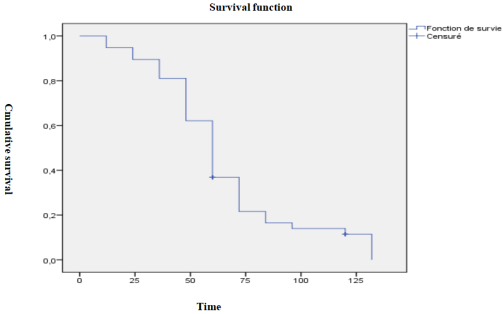
Figure 3. Overall survival of patients according to the Kaplan-Meier model.
The 1-year survival rate was 91.6%, compared with 82.1% at 2 years and 35.8% at 5 years.
Deaths occurred in advanced stages of the disease due to (43.7%), hypovolemic shock (3.1%), and septic shock (2.1%).
4. Discussion
We conducted a retrospective review of endometrial cancer cases managed in our department over a 15-year period to describe the epidemiological aspects, management, and prognosis of patients with this pathology.
The incidence of endometrial cancer in our series was 2.4%. This is lower than that reported by Diallo A et al.
| [3] | Diallo A, Balde O, Sylla A M, Conte I, Soumah A F M, Keita N et al. Endometrial Cancer: Epidemiological, Histological, and Therapeutic Aspects in the Gynecology-Obstetrics Department of the Donka National Hospital, University Hospital of Conakry. Open Journal of Obstetrics and Gynecology. 2023; 13(9): 9. https://doi.org/10.4236/ojog.2023.139126 |
[3]
, who found an incidence of 3.1% in their study conducted in the same department over a 16-year period (2000-2015). However, this incidence is comparable to that found by Engohan-Alohghe C et al.
| [8] | Engohan-Aloghe C, Koumakpayi I H, JK C A, and Revignet R. Epidemiological and clinicopathological profile of endometrial cancer in Gabon. Rev Afr Médecine Santé Publique. 2023; 6(1): 80-98. |
[8]
in Burkina Faso, i.e. 2.5%. This finding could be explained by the fact that our study site remains the only facility providing care for most gynecological and breast cancers in our country.
Endometrial cancer ranks third among gynecological and breast cancers in our series. Similar findings have been reported by some authors across the continent
| [3] | Diallo A, Balde O, Sylla A M, Conte I, Soumah A F M, Keita N et al. Endometrial Cancer: Epidemiological, Histological, and Therapeutic Aspects in the Gynecology-Obstetrics Department of the Donka National Hospital, University Hospital of Conakry. Open Journal of Obstetrics and Gynecology. 2023; 13(9): 9. https://doi.org/10.4236/ojog.2023.139126 |
| [9] | Sando Z, Fouogue JT, Fouelifack FY, Fouedjio JH, Mboudou ET, Essame JL. Profil des cancers gynécologiques et mammaires à Yaoundé--Cameroun [Profile of breast and gynecological cancers in Yaoundé--Cameroon]. Pan Afr Med J. 2014; 17: 28. French.
https://doi.org/10.11604/pamj.2014.17.28.3447 |
| [10] | Yakasai IA, Ugwa EA, Otubu J. Gynecological malignancies at Aminu Kano Teaching Hospital, Kano: a 3-year review. Niger J Clin Pract. 2013; 16(1): 63-6.
https://doi.org/10.4103/1119-3077.106768 |
[3, 9, 10]
.
The age group ≥ 60 years was the most represented, accounting for 58.9%. The mean age of patients recorded in this series was identical to that reported by Diallo A et al.
| [3] | Diallo A, Balde O, Sylla A M, Conte I, Soumah A F M, Keita N et al. Endometrial Cancer: Epidemiological, Histological, and Therapeutic Aspects in the Gynecology-Obstetrics Department of the Donka National Hospital, University Hospital of Conakry. Open Journal of Obstetrics and Gynecology. 2023; 13(9): 9. https://doi.org/10.4236/ojog.2023.139126 |
[3]
but higher than those found in Burkina Faso (56.7 years) and Morocco (57 years)
| [11] | Ouédraogo AS, Sanou-Lamien AM, Ouédraogo-Tiendrébéogo R, et al. Histoepidemiological aspects of endometrial cancer in Ouagadougou. J Afr Cancer. 2011; 3: 251-5.
https://doi.org/10.1007/s12558-011-0191-8 |
| [12] | Khabouze S, Belkheiri M, Boughaleb N, et al. Endometrial cancers. A 10-year experience. Méd Maghreb. 2008; 157: 47-53. |
[11, 12]
.
Patients with no formal education were the most represented in this sample. This is consistent with the level of education among girls and women in our country
| [13] | National Institute of Statistics (INS) Guinea - Demographic and Health Survey (DHS V) 2018. The DHS Program, ICF Rockville, Maryland, USA. 2019: 40-42. |
[13]
.
Postmenopausal patients accounted for nearly 9 out of 10 of the population. The predominance of the postmenopausal period in the incidence of endometrial cancer has been reported by several authors on the continent, with proportions ranging from 79.7% to 89.5%
| [8] | Engohan-Aloghe C, Koumakpayi I H, JK C A, and Revignet R. Epidemiological and clinicopathological profile of endometrial cancer in Gabon. Rev Afr Médecine Santé Publique. 2023; 6(1): 80-98. |
| [9] | Sando Z, Fouogue JT, Fouelifack FY, Fouedjio JH, Mboudou ET, Essame JL. Profil des cancers gynécologiques et mammaires à Yaoundé--Cameroun [Profile of breast and gynecological cancers in Yaoundé--Cameroon]. Pan Afr Med J. 2014; 17: 28. French.
https://doi.org/10.11604/pamj.2014.17.28.3447 |
[8, 9]
.
Endometrial cancer is a hormone-dependent cancer. Endogenous and exogenous hyperestrogenism are the main risk factors for this pathology.
Late menopause, obesity, diabetes, arterial hypertension, and hormonal contraception were the most frequently identified risk factors in our series. In the study by Collinet P et al.
, the main reported risk factors for endometrial cancer were obesity, hyperestrogenism with a relative risk of approximately 2 to 3, and tamoxifen treatment with a 3.4-fold increased risk in patients treated for breast cancer. In some studies, the most frequently cited risk factors were reproductive history, contraceptive methods, hormonal treatments, and nutritional factors
| [15] | Iyoke CA, Ugwu GO. Burden of gynecological cancers in developing countries. World J Obstet Gynecol. 2013; 2(1): 1-7. |
| [16] | Riethmuller D, Carcopino X (eds). Pelvic Gynecological Cancers. Elsevier Masson, Paris. 2013: 85-99 8. |
| [17] | Sénéchal C, Cottereau E, de Pauw A, Elan C, Dagousset I, Fourchotte V, et al. Genetic and environmental risk factors for endometrial cancer. Bull Cancer. 2015; 102(3): 256-69.
https://doi.org/10.1016/j.bulcan.2015.01.006 |
| [18] | Fader AN, Arriba LN, Frasure HE, Vivian EG. Endometrial cancer and obesity: epidemiology, biomarkers, prevention, and survivorship. Gynecol Oncol. 2009; 114: 121-7.
https://doi.org/10.1016/j.ygyno.2009.03.039 |
[15-18]
. According to Lansac J et al., overweight is the primary etiological factor due to hyperestrogenism, which is determined by promoting the aromatization of androgens into estrogens in peripheral fat
| [19] | Lansac J, Lecomte P, and Marret H. Gynecology for the Practitioner. 8th Edition, Masson, Paris. 2007: 581. |
[19]
.
Postmenopausal metrorrhagia and abdominal-pelvic pain were the most common reasons for consultation in our sample. A similar finding was reported by Ouédraogo AS et al.
| [12] | Khabouze S, Belkheiri M, Boughaleb N, et al. Endometrial cancers. A 10-year experience. Méd Maghreb. 2008; 157: 47-53. |
[12]
. Postmenopausal metrorrhagia was also described as the primary reason for consultation in endometrial cancer by certain authors in proportions of 92.3%, 82.36%, and 97%, respectively
| [12] | Khabouze S, Belkheiri M, Boughaleb N, et al. Endometrial cancers. A 10-year experience. Méd Maghreb. 2008; 157: 47-53. |
| [20] | Traore M, Diabate FS, Diarra I, et al. Breast and Gynecological Cancers: Epidemiological and Clinical Aspects of Hospital Point G in Bamako. Med J Mali. 2004; 19(1): 4-9. |
[12, 20]
. An identical observation was also reported in the series by Caron O.
, where nearly 90% of endometrial cancers are diagnosed after menopause. They usually present as metrorrhagia or even hydrorrhagia. More rarely, pelvic tenderness may be observed, sometimes accompanied by an inflammatory syndrome when there is cervical stenosis associated with hematometra
| [22] | Colombo N, Creutzberg C, Amant F, Bosse T, González-Martín A, Ledermann J, et al. ESMO-ESGO-ESTRO Endometrial Consensus Conference Working Group. ESMO-ESGO-ESTRO Consensus Conference on Endometrial Cancer: diagnosis, treatment and follow-up. Ann Oncol. 2016; 27(1): 16-41. https://doi.org/10.1093/annonc/mdv484 |
[22]
.
The mean time to consultation for our patients was 46 months, with extremes ranging from 12 to 180 months. This delay in seeking care could be explained by our patients’ frequent use of traditional medicine and the taboos surrounding complaints related to the genital area in women within our society.
The staging workup revealed metastases (lung, liver, and bone), pelvic and lymph node involvement, and infiltration of the cervical stroma. Similar findings were reported in the study by Doghri R et al.
| [4] | Deluche E, Carolin Marti, Floriane Jochum, Sofiane Bendifallah, Henri Azaïs, Jonas Deidier et al. Implementation in France of the 2021 European guidelines on endometrial cancer. Bull. Cancer (Paris). 2023; 110(1): 55-68.
https://doi.org/10.1016/j.bulcan.2022.11.003 |
[4]
, with 27.0% of tumors extending to the cervix, 22.0% with lymph node involvement, 14.0% with extra uterine extension, and 40.0% with myometrial invasion ≥50%.
This study shows that endometrial adenocarcinoma (84.2%) was the commonests histological type, followed by serous adenocarcinoma (7.4%). In the series by Diallo A et al. and Doghri R et al., endometrial adenocarcinoma was the most frequently encountered histological type, with respective proportions of 68.6% and 84%
| [3] | Diallo A, Balde O, Sylla A M, Conte I, Soumah A F M, Keita N et al. Endometrial Cancer: Epidemiological, Histological, and Therapeutic Aspects in the Gynecology-Obstetrics Department of the Donka National Hospital, University Hospital of Conakry. Open Journal of Obstetrics and Gynecology. 2023; 13(9): 9. https://doi.org/10.4236/ojog.2023.139126 |
| [5] | Doghri R, Yahyaoui Y, Gabsi A, Driss M, Boujelbene N, Charfi L et al. Endometrial carcinomas: a pathological and histoprognostic study of 62 cases in a center in northern Tunisia. In Annales de Pathologie, Elsevier. 2018; 38(2): 85-91.
https://doi.org/10.1016/j.annpat.2017.12.001 |
[3, 5]
. Regarding non-endometrioid types, serous adenocarcinoma was the commonest in some studies
| [3] | Diallo A, Balde O, Sylla A M, Conte I, Soumah A F M, Keita N et al. Endometrial Cancer: Epidemiological, Histological, and Therapeutic Aspects in the Gynecology-Obstetrics Department of the Donka National Hospital, University Hospital of Conakry. Open Journal of Obstetrics and Gynecology. 2023; 13(9): 9. https://doi.org/10.4236/ojog.2023.139126 |
| [5] | Doghri R, Yahyaoui Y, Gabsi A, Driss M, Boujelbene N, Charfi L et al. Endometrial carcinomas: a pathological and histoprognostic study of 62 cases in a center in northern Tunisia. In Annales de Pathologie, Elsevier. 2018; 38(2): 85-91.
https://doi.org/10.1016/j.annpat.2017.12.001 |
| [23] | Scattarelli A, Poteau A, Aziz M, Lae M, Courville P, Arnaud M, et al. Evaluation of Non-Endometrial Endometrial Cancer Guidelines: A Retrospective Multicenter Study. Taurus & Cancer. 2020; 107: 1221-1232.
https://doi.org/10.1016/j.bulcan.2020.08.006 |
[3, 5, 23]
.
In the majority of cases, endometrial cancer was diagnosed at FIGO stage I (40%), followed by stage III (28.4%) and stage II (20%). Doghri R et al.
| [5] | Doghri R, Yahyaoui Y, Gabsi A, Driss M, Boujelbene N, Charfi L et al. Endometrial carcinomas: a pathological and histoprognostic study of 62 cases in a center in northern Tunisia. In Annales de Pathologie, Elsevier. 2018; 38(2): 85-91.
https://doi.org/10.1016/j.annpat.2017.12.001 |
[5]
reported in their study a predominance of endometrial cancer diagnosed at FIGO stage I, with a proportion significantly higher than ours (56.0%). This difference could be explained by patients’ delay in seeking medical attention upon the appearance of the first clinical signs. This high rate of diagnosis at Stage I confers a relatively favorable prognosis, with a cancer mortality rate that remains the lowest compared to other female cancers
.
Regarding histological grade, nearly 7 out of 10 patients had endometrial cancer classified as grade I. This finding aligns with those of certain authors who report in their studies a predominance of patients diagnosed with grade 1 disease
| [3] | Diallo A, Balde O, Sylla A M, Conte I, Soumah A F M, Keita N et al. Endometrial Cancer: Epidemiological, Histological, and Therapeutic Aspects in the Gynecology-Obstetrics Department of the Donka National Hospital, University Hospital of Conakry. Open Journal of Obstetrics and Gynecology. 2023; 13(9): 9. https://doi.org/10.4236/ojog.2023.139126 |
| [5] | Doghri R, Yahyaoui Y, Gabsi A, Driss M, Boujelbene N, Charfi L et al. Endometrial carcinomas: a pathological and histoprognostic study of 62 cases in a center in northern Tunisia. In Annales de Pathologie, Elsevier. 2018; 38(2): 85-91.
https://doi.org/10.1016/j.annpat.2017.12.001 |
[3, 5]
.
Regarding the management, surgery was the most frequently used therapeutic modality, followed by chemotherapy and radiation therapy. In the literature, surgery is described as the first-line treatment, and nearly 90% of women with endometrial cancer are treated with surgery. The procedure generally consists of an extended colposalpingohysterectomy, including a bilateral adnexectomy, and it is argued that s imple total hysterectomy is sufficient for most women; a radical hysterectomy is sometimes performed in cases of cervical invasion or when there is uncertainty as to whether the primary tumor is endocervical or of endometrial origin
| [25] | Genestie C, Leary A, Devouassoux M, Auguste A. Histological and molecular classification of endometrial cancers and their implications for treatment. Bull Cancer (Paris). 2017; 104(12): 1001-12. https://doi.org/10.1016/j.bulcan.2017.08.004 |
| [26] | Mathevet P, Alvarez T, Herrera F, and Wolfer A. Current developments in endometrial cancers. Rev Med Suisse. 2018; 14: 1904-9. |
[25, 26]
. This first-line surgical management was also reported by some authors, who noted that it is based on the fact that the majority of endometrioid cancers are stage I and benefit from non-conservative hysterectomy (with removal of the fallopian tubes and ovaries)
.
We recorded 47 patients out of the 95 who received chemotherapy (49.5%), with a predominance of adjuvant chemotherapy. A proportion lower than ours was reported by Chekman C et al., i.e. 21% of patients receiving chemotherapy
| [2] | Chekman C, Gouaref F, Bouzid A, Akbal K, Bentabak K. Endometrial Cancer in El Karim. Algerian Medical Journal. 2020; 32(5): 20-23. |
[2]
. Only 3 out of 10 patients had received radiotherapy (30.5%). A radiotherapy completion rate of 29% was reported in a study conducted in Algeria
| [2] | Chekman C, Gouaref F, Bouzid A, Akbal K, Bentabak K. Endometrial Cancer in El Karim. Algerian Medical Journal. 2020; 32(5): 20-23. |
[2]
. This low radiotherapy completion rate in our series could be explained by the fact that our country does not have a radiotherapy center, which forces patients to undergo this treatment in certain countries in the sub-region.
The prognosis for patients was marked by a 20.6% rate of postoperative complications. We concur with Diallo A et al.
| [3] | Diallo A, Balde O, Sylla A M, Conte I, Soumah A F M, Keita N et al. Endometrial Cancer: Epidemiological, Histological, and Therapeutic Aspects in the Gynecology-Obstetrics Department of the Donka National Hospital, University Hospital of Conakry. Open Journal of Obstetrics and Gynecology. 2023; 13(9): 9. https://doi.org/10.4236/ojog.2023.139126 |
[3]
, who reported a 19.3% rate of postoperative complications in their series.
We recorded 2 cases of recurrence (13.4%) and 9 deaths, resulting in a mortality rate of 9.5%. The 1-year patient survival rate was 91.6%, compared to 82.1% at 2 years and 35.8% at 5 years. Diallo A et al. reported an 84.5% survival rate at 15 months
| [3] | Diallo A, Balde O, Sylla A M, Conte I, Soumah A F M, Keita N et al. Endometrial Cancer: Epidemiological, Histological, and Therapeutic Aspects in the Gynecology-Obstetrics Department of the Donka National Hospital, University Hospital of Conakry. Open Journal of Obstetrics and Gynecology. 2023; 13(9): 9. https://doi.org/10.4236/ojog.2023.139126 |
| [8] | Engohan-Aloghe C, Koumakpayi I H, JK C A, and Revignet R. Epidemiological and clinicopathological profile of endometrial cancer in Gabon. Rev Afr Médecine Santé Publique. 2023; 6(1): 80-98. |
[3, 8]
.
5. Conclusion
Endometrial cancer is a common pathology in our department, ranking 3rd among gynecological and breast cancers. Mortality associated with this pathology remains high in our setting due to late diagnosis and limited access to certain treatment modalities for advanced stages.
Early diagnosis, prompt and appropriate patient management, and improved access to chemotherapy and radiation therapy could improve the prognosis for patients with this cancer.
Abbreviations
FIGO | International Federation of Gynecology and Obstetrics |
Author Contributions
Mamadou Hady Diallo: Conceptualization, Methodology, Writing – original draft, Writing – review & editing
Alhassane II Sow: Conceptualization, Methodology, Software, Writing – original draft, Writing – review & editing
Mamoudou Magassouba: Data curation
Alhousseny Sidibe: Data curation
Daniel William Athanase Leno: Validation
Abdourahamane Diallo: Writing – review & editing
Ibrahima Sory Balde: Validation
Telly Sy: Validation
Namory Keita: Validation
Conflicts of Interest
The authors declare no conflicts of interest.
References
| [1] |
Pélissier-Langbort C, Serfaty D. Congress Proceedings: 7th Congress of the European Society of Gynecology, October 10-13, 2007, Paris, France. 200; 4-141.
|
| [2] |
Chekman C, Gouaref F, Bouzid A, Akbal K, Bentabak K. Endometrial Cancer in El Karim. Algerian Medical Journal. 2020; 32(5): 20-23.
|
| [3] |
Diallo A, Balde O, Sylla A M, Conte I, Soumah A F M, Keita N et al. Endometrial Cancer: Epidemiological, Histological, and Therapeutic Aspects in the Gynecology-Obstetrics Department of the Donka National Hospital, University Hospital of Conakry. Open Journal of Obstetrics and Gynecology. 2023; 13(9): 9.
https://doi.org/10.4236/ojog.2023.139126
|
| [4] |
Deluche E, Carolin Marti, Floriane Jochum, Sofiane Bendifallah, Henri Azaïs, Jonas Deidier et al. Implementation in France of the 2021 European guidelines on endometrial cancer. Bull. Cancer (Paris). 2023; 110(1): 55-68.
https://doi.org/10.1016/j.bulcan.2022.11.003
|
| [5] |
Doghri R, Yahyaoui Y, Gabsi A, Driss M, Boujelbene N, Charfi L et al. Endometrial carcinomas: a pathological and histoprognostic study of 62 cases in a center in northern Tunisia. In Annales de Pathologie, Elsevier. 2018; 38(2): 85-91.
https://doi.org/10.1016/j.annpat.2017.12.001
|
| [6] |
Defossez G. National estimates of cancer incidence and mortality in metropolitan France between 1990 and 2018. Study based on the Francim Cancer Registry Network. 2019; 1(9): 372.
|
| [7] |
Alexandre J, Le Frère-Belda MA, Angelergues A, Ferron G, Treilleux I, Gaillard AL, et al. Pour le groupe GINECO. Recommandations pour la pratique clinique Nice/Saint-Paul-de-Vence 2022-2023: Prise en charge du cancer de l'endomètre métastatique et/ou en rechute. Bull Cancer. 2023; 110(6S): 6S34-6S43.
https://doi.org/10.1016/s0007-4551(23)00332-6
|
| [8] |
Engohan-Aloghe C, Koumakpayi I H, JK C A, and Revignet R. Epidemiological and clinicopathological profile of endometrial cancer in Gabon. Rev Afr Médecine Santé Publique. 2023; 6(1): 80-98.
|
| [9] |
Sando Z, Fouogue JT, Fouelifack FY, Fouedjio JH, Mboudou ET, Essame JL. Profil des cancers gynécologiques et mammaires à Yaoundé--Cameroun [Profile of breast and gynecological cancers in Yaoundé--Cameroon]. Pan Afr Med J. 2014; 17: 28. French.
https://doi.org/10.11604/pamj.2014.17.28.3447
|
| [10] |
Yakasai IA, Ugwa EA, Otubu J. Gynecological malignancies at Aminu Kano Teaching Hospital, Kano: a 3-year review. Niger J Clin Pract. 2013; 16(1): 63-6.
https://doi.org/10.4103/1119-3077.106768
|
| [11] |
Ouédraogo AS, Sanou-Lamien AM, Ouédraogo-Tiendrébéogo R, et al. Histoepidemiological aspects of endometrial cancer in Ouagadougou. J Afr Cancer. 2011; 3: 251-5.
https://doi.org/10.1007/s12558-011-0191-8
|
| [12] |
Khabouze S, Belkheiri M, Boughaleb N, et al. Endometrial cancers. A 10-year experience. Méd Maghreb. 2008; 157: 47-53.
|
| [13] |
National Institute of Statistics (INS) Guinea - Demographic and Health Survey (DHS V) 2018. The DHS Program, ICF Rockville, Maryland, USA. 2019: 40-42.
|
| [14] |
Collinet P, Poncelet E, Vinatier D. Endometrial cancer. J Genecol Obstet Biol Reprod. 2008; 37(2): F57-63.
https://doi.org/jgyn-07-2008-37-hs2-0368-2315-101019-200806373
|
| [15] |
Iyoke CA, Ugwu GO. Burden of gynecological cancers in developing countries. World J Obstet Gynecol. 2013; 2(1): 1-7.
|
| [16] |
Riethmuller D, Carcopino X (eds). Pelvic Gynecological Cancers. Elsevier Masson, Paris. 2013: 85-99 8.
|
| [17] |
Sénéchal C, Cottereau E, de Pauw A, Elan C, Dagousset I, Fourchotte V, et al. Genetic and environmental risk factors for endometrial cancer. Bull Cancer. 2015; 102(3): 256-69.
https://doi.org/10.1016/j.bulcan.2015.01.006
|
| [18] |
Fader AN, Arriba LN, Frasure HE, Vivian EG. Endometrial cancer and obesity: epidemiology, biomarkers, prevention, and survivorship. Gynecol Oncol. 2009; 114: 121-7.
https://doi.org/10.1016/j.ygyno.2009.03.039
|
| [19] |
Lansac J, Lecomte P, and Marret H. Gynecology for the Practitioner. 8th Edition, Masson, Paris. 2007: 581.
|
| [20] |
Traore M, Diabate FS, Diarra I, et al. Breast and Gynecological Cancers: Epidemiological and Clinical Aspects of Hospital Point G in Bamako. Med J Mali. 2004; 19(1): 4-9.
|
| [21] |
Caron O. Endometrial Cancer and Predisposition. Bull Cancer (Paris). 2012; 99(1): 99-105.
https://doi.org/10.1684/bdc.2011.1522
|
| [22] |
Colombo N, Creutzberg C, Amant F, Bosse T, González-Martín A, Ledermann J, et al. ESMO-ESGO-ESTRO Endometrial Consensus Conference Working Group. ESMO-ESGO-ESTRO Consensus Conference on Endometrial Cancer: diagnosis, treatment and follow-up. Ann Oncol. 2016; 27(1): 16-41.
https://doi.org/10.1093/annonc/mdv484
|
| [23] |
Scattarelli A, Poteau A, Aziz M, Lae M, Courville P, Arnaud M, et al. Evaluation of Non-Endometrial Endometrial Cancer Guidelines: A Retrospective Multicenter Study. Taurus & Cancer. 2020; 107: 1221-1232.
https://doi.org/10.1016/j.bulcan.2020.08.006
|
| [24] |
Gauthier T, Siegerth F, Monteil J, Jammet I, Saidi N, Tubiana-Mathieu N, et al. Surveillance of endometrial cancer. Bull Cancer (Paris). 2014; 101(7-8): 741-7.
https://doi.org/10.1684/bdc.2014.1947
|
| [25] |
Genestie C, Leary A, Devouassoux M, Auguste A. Histological and molecular classification of endometrial cancers and their implications for treatment. Bull Cancer (Paris). 2017; 104(12): 1001-12.
https://doi.org/10.1016/j.bulcan.2017.08.004
|
| [26] |
Mathevet P, Alvarez T, Herrera F, and Wolfer A. Current developments in endometrial cancers. Rev Med Suisse. 2018; 14: 1904-9.
|
| [27] |
Eva van der Meij and Mark Hans Emanuel. Hysterectomy for heavy menstrual bleeding. Womens health. 2016; 12(1): 63-69.
https://doi.org/10.2217/whe.15.87
|
Cite This Article
-
APA Style
Diallo, M. H., Sow, A. I., Magassouba, M., Sidibe, A., Leno, D. W. A., et al. (2026). Endometrial Cancer: Epidemiological Aspects, Management, and Prognosis at the Department of Obstetrics and Gynecology, Donka National Hospital. International Journal of Clinical Oncology and Cancer Research, 11(3), 62-69. https://doi.org/10.11648/j.ijcocr.20261103.12
 Copy
|
Copy
|
 Download
ACS Style
Diallo, M. H.; Sow, A. I.; Magassouba, M.; Sidibe, A.; Leno, D. W. A., et al. Endometrial Cancer: Epidemiological Aspects, Management, and Prognosis at the Department of Obstetrics and Gynecology, Donka National Hospital. Int. J. Clin. Oncol. Cancer Res. 2026, 11(3), 62-69. doi: 10.11648/j.ijcocr.20261103.12
Copy
|
Download
AMA Style
Diallo MH, Sow AI, Magassouba M, Sidibe A, Leno DWA, et al. Endometrial Cancer: Epidemiological Aspects, Management, and Prognosis at the Department of Obstetrics and Gynecology, Donka National Hospital. Int J Clin Oncol Cancer Res. 2026;11(3):62-69. doi: 10.11648/j.ijcocr.20261103.12
Copy
|
Download
-
@article{10.11648/j.ijcocr.20261103.12,
  author = {Mamadou Hady Diallo and Alhassane II Sow and Mamoudou Magassouba and Alhousseny Sidibe and Daniel William Athanase Leno and Abdourahamane Diallo and Ibrahima Sory Balde and Telly Sy and Namory Keita},
  title = {Endometrial Cancer: Epidemiological Aspects, Management, and Prognosis at the Department of Obstetrics and Gynecology, Donka National Hospital},
  journal = {International Journal of Clinical Oncology and Cancer Research},
  volume = {11},
  number = {3},
  pages = {62-69},
  doi = {10.11648/j.ijcocr.20261103.12},
  url = {https://doi.org/10.11648/j.ijcocr.20261103.12},
  eprint = {https://article.sciencepublishinggroup.com/pdf/10.11648.j.ijcocr.20261103.12},
  abstract = {Introduction: The objective of this study was to contribute to the investigation of the epidemiological aspects, management, and prognosis of endometrial cancer at the Department of Obstetrics and Gynecology at Donka National teaching Hospital in Conakry. Methodology: This was a descriptive study involving the collection of retrospective data over a 15-year period from January 1, 2010, to December 31, 2024, focusing on cases of endometrial cancer. Results: The incidence of endometrial cancer was 2.4%. This cancer primarily affected patients aged 60 and older (58.9%), housewives (68.4%), married women (94.7%), and women with multiple pregnancies (49.5%). Metrorrhgia (100.0%) and abdominal-pelvic pain were the most frequently recorded reasons for consultation. Endometrial adenocarcinoma was the most common histological type (84.2%), and endometrial cancer was diagnosed as FIGO stage I in 34.7% of cases. Surgery was performed in 66.3% of patients, and 49.5% of them had received chemotherapy. Extrafascial hysterectomy with lymph node dissection and bilateral adnexectomy was the most commonly performed surgical procedure; extended colpohysterectomy with lymphadenectomy and bilateral adnexectomy was performed for more advanced cases. One-year survival was observed in 9 out of 10 patients, and five-year survival was recorded in nearly 4 out of 10 patients. Conclusion: Endometrial cancer is a common condition in our setting. Early diagnosis, prompt management, and improved access to chemotherapy and radiation therapy could improve patient prognosis.},
 year = {2026}
}
Copy
|
Download
-
TY  - JOUR
T1  - Endometrial Cancer: Epidemiological Aspects, Management, and Prognosis at the Department of Obstetrics and Gynecology, Donka National Hospital
AU  - Mamadou Hady Diallo
AU  - Alhassane II Sow
AU  - Mamoudou Magassouba
AU  - Alhousseny Sidibe
AU  - Daniel William Athanase Leno
AU  - Abdourahamane Diallo
AU  - Ibrahima Sory Balde
AU  - Telly Sy
AU  - Namory Keita
Y1  - 2026/09/08
PY  - 2026
N1  - https://doi.org/10.11648/j.ijcocr.20261103.12
DO  - 10.11648/j.ijcocr.20261103.12
T2  - International Journal of Clinical Oncology and Cancer Research
JF  - International Journal of Clinical Oncology and Cancer Research
JO  - International Journal of Clinical Oncology and Cancer Research
SP  - 62
EP  - 69
PB  - Science Publishing Group
SN  - 2578-9511
UR  - https://doi.org/10.11648/j.ijcocr.20261103.12
AB  - Introduction: The objective of this study was to contribute to the investigation of the epidemiological aspects, management, and prognosis of endometrial cancer at the Department of Obstetrics and Gynecology at Donka National teaching Hospital in Conakry. Methodology: This was a descriptive study involving the collection of retrospective data over a 15-year period from January 1, 2010, to December 31, 2024, focusing on cases of endometrial cancer. Results: The incidence of endometrial cancer was 2.4%. This cancer primarily affected patients aged 60 and older (58.9%), housewives (68.4%), married women (94.7%), and women with multiple pregnancies (49.5%). Metrorrhgia (100.0%) and abdominal-pelvic pain were the most frequently recorded reasons for consultation. Endometrial adenocarcinoma was the most common histological type (84.2%), and endometrial cancer was diagnosed as FIGO stage I in 34.7% of cases. Surgery was performed in 66.3% of patients, and 49.5% of them had received chemotherapy. Extrafascial hysterectomy with lymph node dissection and bilateral adnexectomy was the most commonly performed surgical procedure; extended colpohysterectomy with lymphadenectomy and bilateral adnexectomy was performed for more advanced cases. One-year survival was observed in 9 out of 10 patients, and five-year survival was recorded in nearly 4 out of 10 patients. Conclusion: Endometrial cancer is a common condition in our setting. Early diagnosis, prompt management, and improved access to chemotherapy and radiation therapy could improve patient prognosis.
VL  - 11
IS  - 3
ER  -
Copy
|
Download





 Share This Article
 Twitter
 Linked In
 Facebook